The Peptide Security Myth: What 50,000+ Laboratory Examinations Expose Regarding Storage Space, Managing, And High Quality
@lukasbjmk351
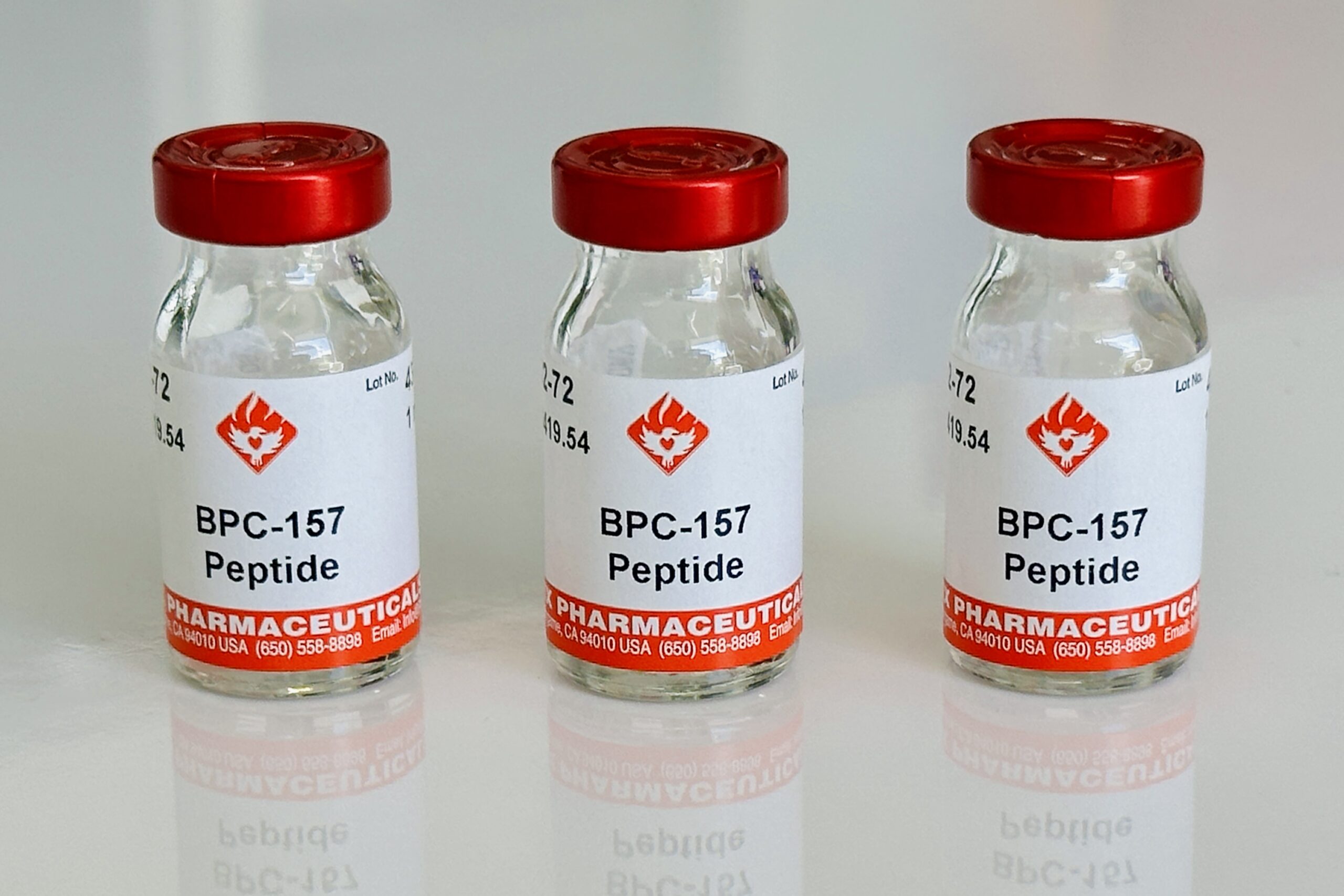
Best Techniques For Peptide Storage Space And Stability A lot of firms that promote custompeptides available for sale do not manufacture the peptides they market, however are simplyresellers of item made in other places. It isrecommended to use suppliers that manufacture their very own peptides, which providedetailed requirements and characterization information for their synthesized items. This page explains just how storage space problems, dampness, light, temperature level, and handling methods affect peptide security in a research study context. The Research-grade peptides are for laboratory and study Additional info purposes only! The GMP-APIs are peptide items appropriate to humans. The impurity profile and especially the peptide content can vary from set to batch, also if we make use of the same conventional methods of synthesis and purification. Some regular deterioration reactions or racemization may consist of the oxidation of Met, Trp, Tyr, or Cys. The deamidation of Asn, Gln, and the C-terminal amide may occur. The ideal solubilization method relies on your peptide's charge homes and general peptide solubility characteristics. All items provided by NuroLabs Study are desired purely for laboratory study use and need https://easypdfshare.com/s/g2mLjWXpuQtrBUz4q-Zw9 to be taken care of by certified workers under proper problems. Used in specific settings however not appropriate for each peptide. At NuroLabs Study, peptides are supplied purely as lyophilised solids, allowing complete control over just how they are combined and stored. RUO materials normally use retest dates, not expiry dates. A flawlessly saved peptide will, theoretically, not deteriorate. By controlling these elements-- and complying with proper reconstitution and aliquot methods-- scientists maintain speculative reproducibility and secure COA-verified pureness. Making use of the stableisotope-labeled internal standard peptides promotes both of these goals, asdescribed listed below. Suppliers and service research laboratories offering AAA analyses differ considerably intheir procedures and quality controls (QC). Prior to picking an AAAservice service provider, it is strongly advised to comprehend the workflow, standardization, and quality assurance measures that are in location. This criticalinformation is summarized in Table 5 anddiscussed in even more detail listed below. Peptide vials are commonly utilized in lab for storing lyophilized peptides. Nevertheless, inappropriate handling-- such as subjecting peptides to wetness, saving at the wrong temperatures, or recycling pierced vials past their risk-free duration-- can endanger experimental outcomes. After reconstitution, as a result of the lack of chemicals, options need to preferably be utilized within a short timeframe, generally within 24 to 72 hours under regulated problems, and saved at 2 to 8 ° C. Always evaluate your reconstituted peptide before each use. A correctly stored option needs to remain clear and colorless. When flying, pack your peptides in a carry-on bag to avoid exposure to extreme temperatures in checked luggage. Peptides are allowed both carry-on and examined bags once correctly screened. Make use of a protected, freezer-safe luggage so you can refreeze ice packs throughout longer layovers using airport terminal freezers or gotten ice.
How Much Time Do Reconstituted Peptides Last In The Refrigerator?
This support assists researchers navigate the intricacy of multi-peptide methods. After reconstitution and prior to sealing the vial for storage space, gently flow inert gas right into the headspace for several secs. This displaces oxygen-containing air and develops a safety environment. Infected options cause injection site infections.Oxidation-prone Sequences (Met, Cys, Trp, Tyr)
This procedure, called lyophilization, preserves the three-dimensional framework that gives each peptide its biological task. Before metrology of a peptide by AAA, there are preliminaryconsiderations and speculative optimizations that ought to be addressed to achieveaccuracy. First, the pureness of the peptide should be reviewed (46 ). Specifically, it must be identified whether thepeptide has any pollutants that might add to amino acids, biasing thequantitative AAA.- For lasting storage, keep lyophilized peptides at -20 ° C to -80 ° C. At these temperatures, correctly sealed peptides remain stable for several years.
- The purity can be enhanced with the enhanced artificial and filtration methods.
- Appropriate strategy, which we'll cover soon, decreases this risk.
- Peptides are delicate particles that can break down via different mechanisms consisting of hydrolysis, oxidation, and aggregation.
- Lyophilized peptides are hygroscopic, meaning they soak up moisture from air, which is their worst enemy.
What counteracts peptides?
Salicylic acid''s scrubing activity may destabilize the peptides, diminishing their skin-repairing advantages. Suggestion: To stay clear of any type of communication, usage salicylic acid and peptide items at various times. For example, include salicylic acid in your early morning routine and peptides in your evening regimen.

◇